Quick answer
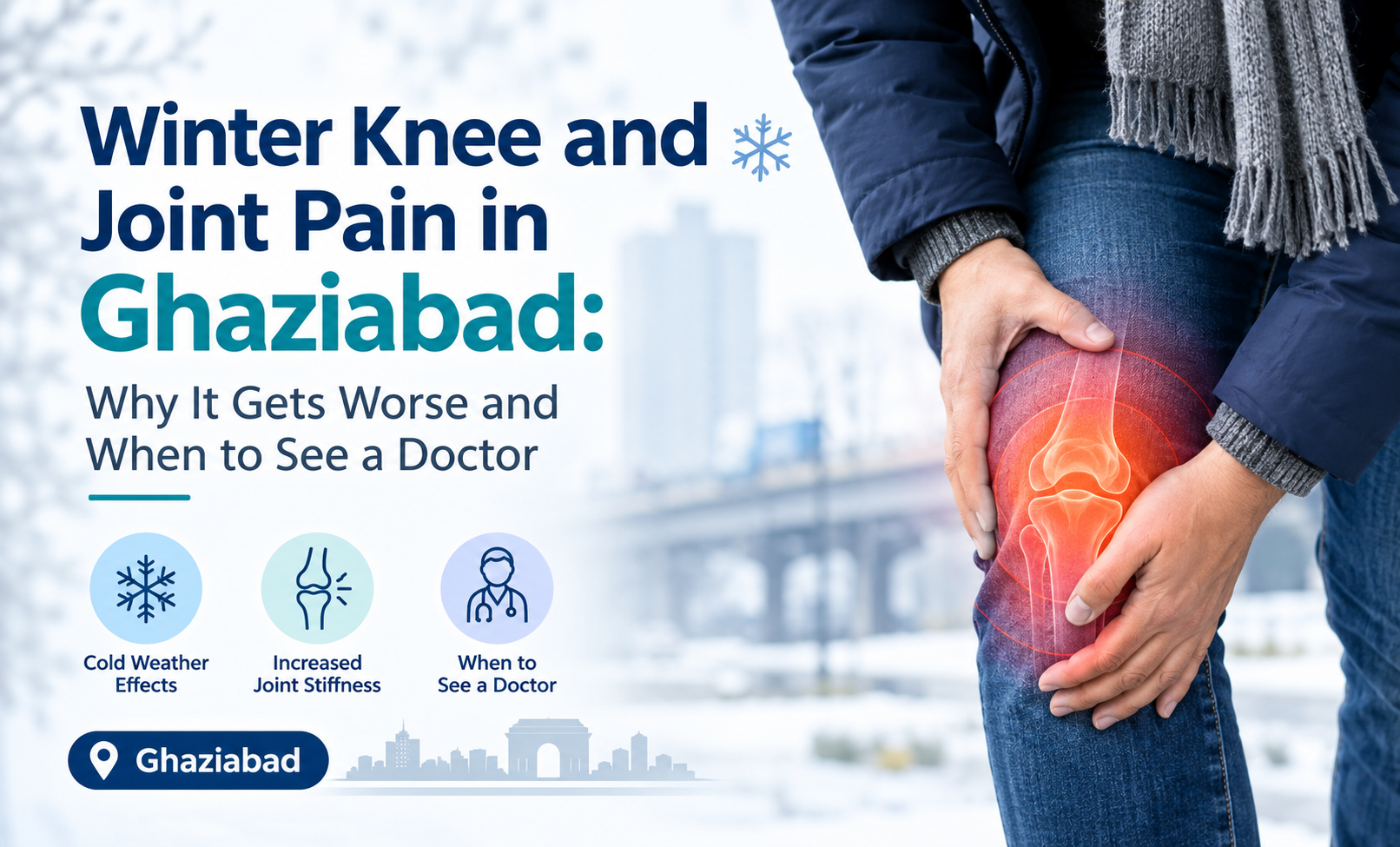
Why does knee and joint pain get worse in winter in Ghaziabad? Cold weather makes muscles and tendons tighten, reduces blood flow to the joints, and often lowers daily activity. Winter in Ghaziabad also brings fog, heavy smog and less sunlight, which limits outdoor walks and vitamin D. Together, these make arthritic and previously injured joints feel stiffer and more painful.
When should you see a doctor? See an orthopaedic specialist if pain lasts more than two weeks, wakes you at night, comes with swelling, redness or warmth, or makes walking and climbing stairs difficult. Sudden severe pain with fever or inability to bear weight needs same-day attention.
Why Does Joint Pain Get Worse in Winter?
Every year, as the temperature drops across Delhi NCR, clinics in Ghaziabad see more patients with knee, hip, shoulder and back complaints. Doctors are still studying exactly why cold affects joints, and research findings vary. Still, several factors are widely recognised.
1. Cold tightens muscles and stiffens joints
In low temperatures, muscles and tendons around the joint become less flexible. Movements that feel easy in summer, like standing up from a chair, now cause a sharp or dragging pain, especially in the first few steps of the morning.
2. Reduced blood flow to the extremities
The body keeps its core warm by narrowing blood vessels in the arms and legs. Less warm blood reaching the knees, ankles and fingers can make them feel stiff and sensitive.
3. Changes in air pressure
Many people with arthritis report that pain flares when the weather turns cold and the barometric pressure falls. One theory is that this causes tissues around an already inflamed joint to swell slightly, pressing on pain-sensitive nerves.
4. Less movement
Short days, foggy mornings and cold evenings mean fewer walks. Joints depend on movement to stay lubricated, and weaker, unused muscles give the knee less support.
5. Low vitamin D from less sunlight
Vitamin D deficiency is common across North India, and winter makes it worse because people cover up and spend less time in the sun. Low vitamin D can contribute to bone and muscle aches, and may add to existing joint discomfort.
6. Smog and winter lifestyle in Ghaziabad
Poor air quality keeps many people, especially senior citizens, indoors for weeks. Add sitting close to heaters, heavier meals and weight gain, and the load on knees increases. Every extra kilogram of body weight adds several kilograms of force across the knee while walking.
Which Joint Conditions Flare Up in Winter?
| Condition | What it feels like in winter | Who is commonly affected |
|---|---|---|
| Knee osteoarthritis | Morning stiffness, pain on stairs, creaking, swelling after activity | Adults above 45, people with excess weight |
| Rheumatoid arthritis | Prolonged morning stiffness, swollen and warm small joints | Any adult, more often women |
| Old ligament or meniscus injuries | Dull ache, occasional catching or giving way | Sportspersons, past accident survivors |
| Hip arthritis | Groin or thigh pain, difficulty with socks, shoes, sitting cross-legged | Older adults |
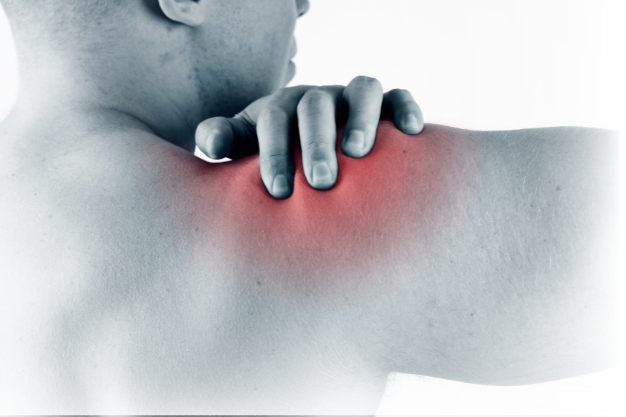
| Frozen shoulder | Deep shoulder pain, difficulty lifting the arm | Middle-aged adults, people with diabetes |
| Gout | Sudden intense pain, redness and swelling, often at the big toe | Adults with high uric acid |
What Can You Do at Home to Ease Winter Joint Pain?
These steps help mild to moderate pain. They do not replace a medical examination if symptoms persist.
- Stay warm. Wear thermals, knee caps or full-length trousers, and keep your feet covered. A warm compress or hot water bag for 15 to 20 minutes can relax stiff muscles.
- Keep moving gently. Walk indoors or on a terrace when air quality is poor. Do light stretching and range-of-motion exercises every morning before getting out of bed.
- Strengthen the thigh muscles. Strong quadriceps take pressure off the knee. A physiotherapist can show safe exercises for your condition.
- Get safe sun exposure. Spend some time in mid-day sun when the weather allows, and ask your doctor to check your vitamin D level before starting supplements.
- Manage weight. Even modest weight loss reduces load on knees and hips.
- Eat for your joints. Include protein, calcium-rich foods, fruits, vegetables, nuts and seeds. Stay hydrated even when you do not feel thirsty.
- Use proper footwear. Avoid slippery soles on cold, wet floors, because falls are more likely in winter fog and low light.
- Avoid long self-medication. Frequent painkillers without advice can affect the stomach and kidneys, and can hide a problem that is getting worse.
When Should You See a Doctor for Knee or Joint Pain?
Winter pain that eases with warmth, rest and gentle movement is often manageable. Book a consultation if you notice any of the following:
- Pain lasting more than two weeks despite rest and home care
- Pain at night or at rest that disturbs your sleep
- Swelling, redness or warmth around the joint
- Morning stiffness lasting more than 30 minutes
- Difficulty climbing stairs, getting up from the floor or walking short distances
- Knee locking, catching or giving way
- Visible deformity, such as bowing of the legs
- Pain after a fall, twist or sports injury
- Pain that no longer settles with regular medicines
Go to the emergency room if
- The joint is suddenly hot, red and very painful, with fever or chills (this can indicate a joint infection)
- You cannot bear weight on the leg after an injury
- There is obvious deformity, severe swelling or numbness after a fall
How Is Winter Knee and Joint Pain Diagnosed and Treated?
An orthopaedic doctor usually begins with a detailed history and physical examination, and may advise an X-ray, MRI or blood tests (such as vitamin D, uric acid and inflammation markers) depending on your symptoms.
Treatment is stepwise, and surgery is not the first option:
- Lifestyle and physiotherapy: strengthening, flexibility exercises, weight management
- Medication: pain and inflammation control as prescribed, along with vitamin D or calcium if you are deficient
- Injections and non-surgical procedures: considered for selected patients when medicines and exercise are not enough
- Arthroscopy or ligament and meniscus surgery: for specific injuries, see meniscus repair and sports medicine
- Joint replacement: discussed only when severe arthritis causes constant pain and loss of function and other treatments no longer help. If you have been advised surgery, a second opinion before knee or hip replacement can help you decide with confidence.
When is knee replacement considered?
When the cartilage has worn out badly, pain persists even at rest, walking is limited, and daily activities become difficult despite medicines and physiotherapy, your surgeon may discuss a replacement. Modern techniques, including robotic-assisted options, aim for accurate alignment and faster mobility. Learn more about the procedure, candidacy and recovery on our Knee Replacement Surgery in Ghaziabad page. For hip pain with similar limitations, see hip replacement surgery.
If medicines have stopped helping, read our guide on knee pain treatment in Ghaziabad.
Frequently Asked Questions
Does cold weather really cause joint pain?
Cold weather does not damage joints, but it can make existing problems such as arthritis or old injuries feel worse. Muscle tightness, reduced blood flow, lower activity and changes in air pressure are the commonly cited reasons.
Why are my knees stiff every winter morning?
Joints stiffen after hours of inactivity, and cold makes the muscles around them tighter. Stiffness that eases within about half an hour is common in osteoarthritis. Stiffness lasting longer may point to inflammatory arthritis and should be checked.
Is winter knee pain a sign of arthritis?
Not always, but if pain returns every winter, builds up over the years, or comes with swelling and stiffness, an orthopaedic evaluation can confirm whether arthritis or another condition is involved.
How can I reduce knee pain in winter without medicines?
Keep the joint warm, move gently every day, strengthen the thigh muscles, maintain a healthy weight, wear supportive footwear and get your vitamin D levels checked.
Does smog in Ghaziabad affect joint pain?
Smog does not directly cause arthritis, but on high-pollution days people stay indoors and move less, and this can worsen stiffness and weakness. Indoor exercises are a practical alternative.
Which doctor should I consult for knee and joint pain in Ghaziabad?
An orthopaedic surgeon is the right specialist for persistent joint, bone or ligament pain. Dr. Deepankar Verma consults at Varenya Healthcare Centre in Vasundhara, Ghaziabad, with additional OPDs in Delhi and Noida.
Can knee pain in winter be treated without surgery?
Yes. Most patients begin with exercise, physiotherapy, lifestyle changes and medicines. Surgery is considered only for advanced damage or injuries that do not respond to these measures.
Consult an Orthopaedic Doctor in Ghaziabad
Do not wait for the pain to become unbearable. Early assessment often means simpler treatment and better mobility.
Dr. Deepankar Verma
MBBS, MS, FASM, FJR | Consultant Orthopaedic Surgeon, Joint Replacement & Sports Medicine
Varenya Healthcare Centre, 1139/1, MIG Houses, Sector 3, Vasundhara, Ghaziabad, Uttar Pradesh 201012
OPD: Monday to Saturday, 6:30 PM to 9:00 PM
Call or WhatsApp: +91-7065807070
Disclaimer: This article is for general education and does not replace personal medical advice. Please consult a qualified orthopaedic doctor for diagnosis and treatment.